Teacher SpotlightsArticles

Teacher of the Month — Josh Gregory

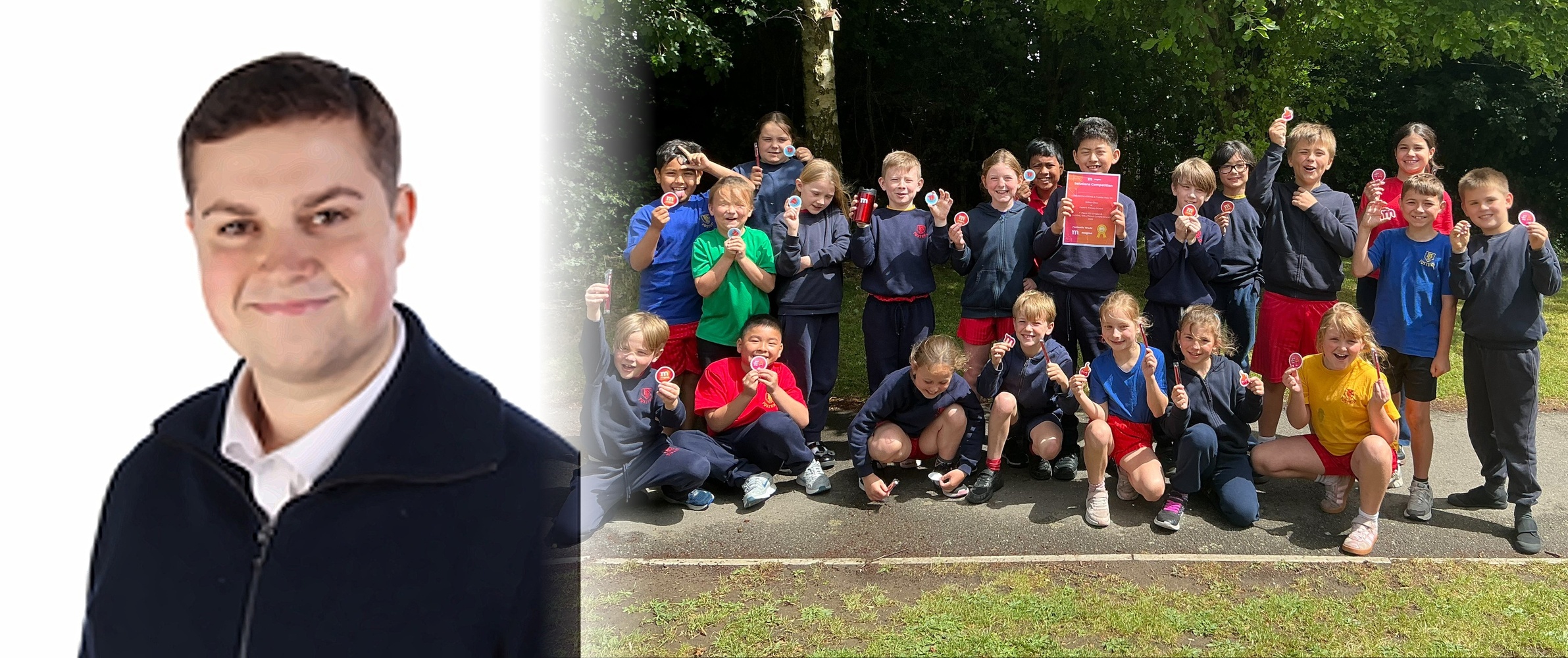
Josh is in his second year at Foster's Primary School — and his first as the school's Digital Learning Lead, a brand new role. He teaches Year 4, leads the school's digital strategy, and recently won Magma's Solutions Competition. The energy in his classroom, he says, has never been higher.
Vera Palm
July 1, 2026

The children sighed when I said we weren't doing maths today

Josh Gregory  ·  Year 4 Teacher & Digital Learning Lead  ·  Foster's Primary School

🏆Solutions Competition Winner 🏆

Ask Josh what maths lessons looked like before Magma and he doesn't hesitate. He'd deliver his input, the children would start on a sheet, and he'd drift toward the same handful of pupils — the ones he assumed would struggle. He knew what he thought about every child in his class. The problem, as he now sees it, was that he was often wrong.

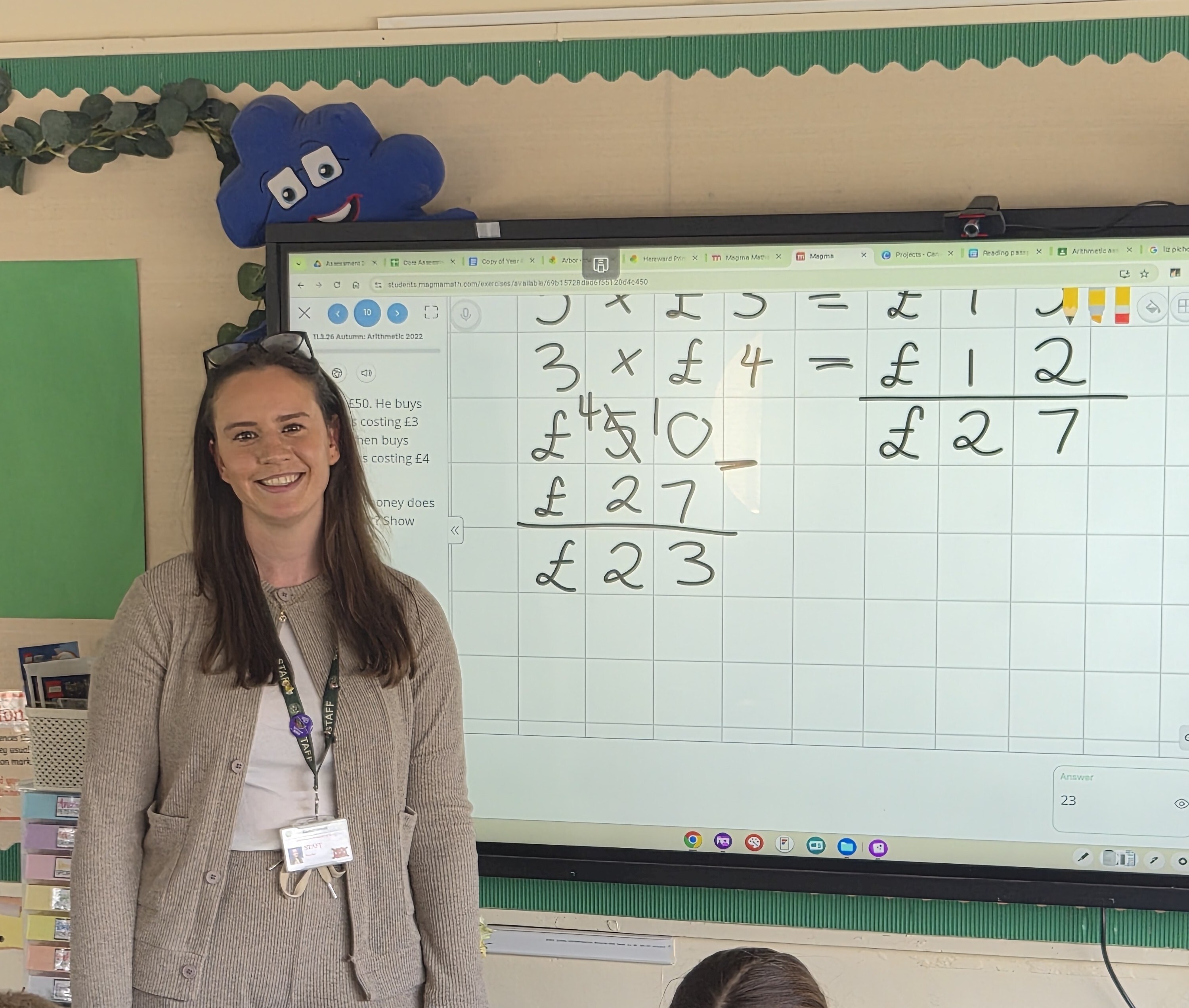
The shift began with the heatmap. Josh describes a child he would always have assumed needed support — the heatmap told a different story. For an entire unit on money, that child didn't need him at all. He walked away, and the child flew. The pupils he ended up working with were some of his highest attainers — the ones whose misconceptions were subtler and harder to spot without data. "It was my own assumption," he says. "The heatmap took that away."

"It's so much more responsive to the individual needs of the children. That's where it's so different."

The AI-helper Lava has changed something quieter but just as significant: what children do the moment they get stuck. Before, the instinct was to sit back and wait for an adult to notice. Now, most of them reach for Lava first, almost without thinking about it. "They'll look around — Mr Gregory's busy, Mrs Knight's not in the room — and they'll think, right, let me get Lava on the case." It sounds like a small shift, but Josh sees something bigger in it: children learning to trust their own problem-solving instead of falling into learned helplessness, building a kind of resilience that used to depend entirely on him being in the room.

"They're not fending for themselves — but they're developing that resilience. I don't always have to be with them."

Then came the Solutions Competition, and with it a shift Josh hadn't quite planned for. He launched it with a whole-school assembly, walking pupils through the prizes on offer and building excitement before a single lesson had begun. In maths, he kept Live Activity running on the board throughout, so every child could watch each other's working unfold in real time. There was something different about seeing your own solution go up where the whole class could see it — children leaned in, checked their answers against each other's, pushed themselves a little further. Seeing their thinking displayed like that created a kind of motivation Josh hadn't anticipated: genuine, intrinsic, theirs.

His class won. But it was what happened afterwards that stayed with him — the competition's energy didn't fade once the prize was handed out, it folded itself into the everyday rhythm of maths lessons. During assessment week, Josh told his class they wouldn't be doing maths that day. The room sighed, loudly, as one. "They were so disappointed," he says, laughing. "There was a class sigh."

"They're at that age where they're so aware of each other — getting something wrong in front of their friends really matters. But there's a safety to it now. They're not scared to try anymore."

For teachers about to start their Magma journey, Josh's advice is simple: introduce the platform on something familiar first. In September, his new Year 4 class spent a transition week revisiting a topic they already knew, so they could focus entirely on getting comfortable with the tools. "We didn't want an unknown format with unknown learning," he says. Give them the chance to feel confident with the platform first, and the rest follows.

Ready to bring Josh's approach into your own classroom? Here's how to get started:

🗺 Explore the tool - Discover how the heatmap can help you instantly see where your students are - and where they need you most → Read the guide

🔥Meet your AI helper - See how Lava gives pupils a place to turn when they're stuck, building independence without you needing to be everywhere at once → Read the guide

🎮 Level up your lessons - Turn your classroom into a calculation party - learn how to use live activities to get every student engaged in real time → Read the guide

📚 Keep learning - Haven't signed up for our upcoming webinars yet? There's still time - grab your spot (and your colleagues') in just a few clicks → Register now

🏆 Teacher of the Month - Know an amazing teacher who deserves a spotlight? Nominate yourself or a colleague - we'd love to celebrate them next! → Nominate here
Schedule a demo hereDownload Report
Teacher SpotlightsArticles

Teacher of the Month — Josh Gregory

Josh is in his second year at Foster's Primary School — and his first as the school's Digital Learning Lead, a brand new role. He teaches Year 4, leads the school's digital strategy, and recently won Magma's Solutions Competition. The energy in his classroom, he says, has never been higher.
Vera Palm
Jul 1

The children sighed when I said we weren't doing maths today

Josh Gregory  ·  Year 4 Teacher & Digital Learning Lead  ·  Foster's Primary School

🏆Solutions Competition Winner 🏆

Ask Josh what maths lessons looked like before Magma and he doesn't hesitate. He'd deliver his input, the children would start on a sheet, and he'd drift toward the same handful of pupils — the ones he assumed would struggle. He knew what he thought about every child in his class. The problem, as he now sees it, was that he was often wrong.

The shift began with the heatmap. Josh describes a child he would always have assumed needed support — the heatmap told a different story. For an entire unit on money, that child didn't need him at all. He walked away, and the child flew. The pupils he ended up working with were some of his highest attainers — the ones whose misconceptions were subtler and harder to spot without data. "It was my own assumption," he says. "The heatmap took that away."

"It's so much more responsive to the individual needs of the children. That's where it's so different."

The AI-helper Lava has changed something quieter but just as significant: what children do the moment they get stuck. Before, the instinct was to sit back and wait for an adult to notice. Now, most of them reach for Lava first, almost without thinking about it. "They'll look around — Mr Gregory's busy, Mrs Knight's not in the room — and they'll think, right, let me get Lava on the case." It sounds like a small shift, but Josh sees something bigger in it: children learning to trust their own problem-solving instead of falling into learned helplessness, building a kind of resilience that used to depend entirely on him being in the room.

"They're not fending for themselves — but they're developing that resilience. I don't always have to be with them."

Then came the Solutions Competition, and with it a shift Josh hadn't quite planned for. He launched it with a whole-school assembly, walking pupils through the prizes on offer and building excitement before a single lesson had begun. In maths, he kept Live Activity running on the board throughout, so every child could watch each other's working unfold in real time. There was something different about seeing your own solution go up where the whole class could see it — children leaned in, checked their answers against each other's, pushed themselves a little further. Seeing their thinking displayed like that created a kind of motivation Josh hadn't anticipated: genuine, intrinsic, theirs.

His class won. But it was what happened afterwards that stayed with him — the competition's energy didn't fade once the prize was handed out, it folded itself into the everyday rhythm of maths lessons. During assessment week, Josh told his class they wouldn't be doing maths that day. The room sighed, loudly, as one. "They were so disappointed," he says, laughing. "There was a class sigh."

"They're at that age where they're so aware of each other — getting something wrong in front of their friends really matters. But there's a safety to it now. They're not scared to try anymore."

For teachers about to start their Magma journey, Josh's advice is simple: introduce the platform on something familiar first. In September, his new Year 4 class spent a transition week revisiting a topic they already knew, so they could focus entirely on getting comfortable with the tools. "We didn't want an unknown format with unknown learning," he says. Give them the chance to feel confident with the platform first, and the rest follows.

Ready to bring Josh's approach into your own classroom? Here's how to get started:

🗺 Explore the tool - Discover how the heatmap can help you instantly see where your students are - and where they need you most → Read the guide

🔥Meet your AI helper - See how Lava gives pupils a place to turn when they're stuck, building independence without you needing to be everywhere at once → Read the guide

🎮 Level up your lessons - Turn your classroom into a calculation party - learn how to use live activities to get every student engaged in real time → Read the guide

📚 Keep learning - Haven't signed up for our upcoming webinars yet? There's still time - grab your spot (and your colleagues') in just a few clicks → Register now

🏆 Teacher of the Month - Know an amazing teacher who deserves a spotlight? Nominate yourself or a colleague - we'd love to celebrate them next! → Nominate here

More episodes

No items found.